MOBILE ETHNOGRAPHY
See what people do - in the moment and in context.
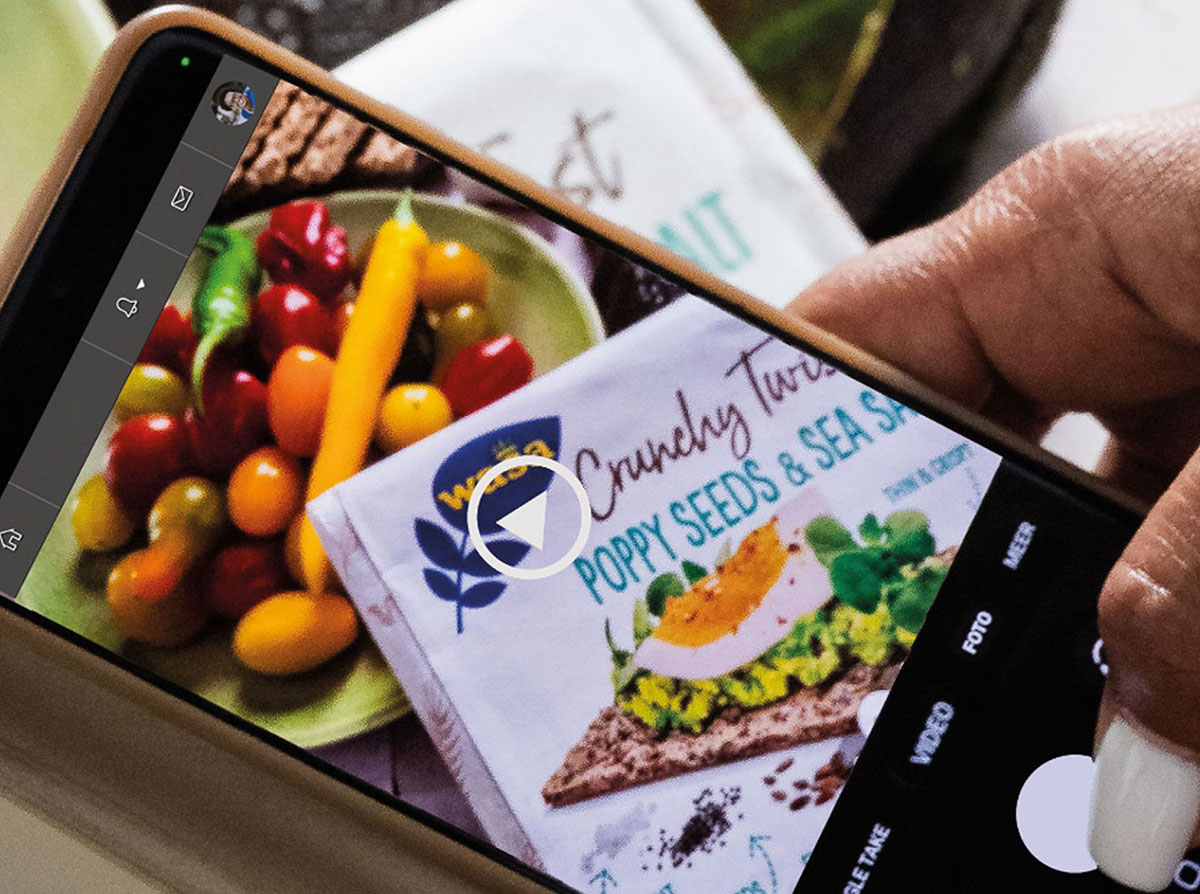
Mobile ethnography makes behaviour, usage contexts and everyday lives visible. Participants document situations where they happen: at home, on the move, at the point of sale, at work or while using a product or service.
Through text, photos, video and audio, they show not only their reactions but also their surroundings, triggers and circumstances. This helps explain why decisions change, routines develop or barriers become relevant in everyday life.
Discuss an ethnography project
Through text, photos, video and audio, they show not only their reactions but also their surroundings, triggers and circumstances. This helps explain why decisions change, routines develop or barriers become relevant in everyday life.
BENEFITS
What makes this method special.
Close to context
Situations, surroundings and triggers are captured alongside behaviour.
Close to observation
Participants show actions and environments rather than describing them only in retrospect.
Vivid
Images, videos and voice messages make everyday lives and touchpoints tangible.
Focused
Tasks can focus specifically on places, moments, products or journey steps.
Interactive
Follow-up questions and tasks for deeper exploration are possible during fieldwork.
Connected to stakeholders
Project teams can follow contributions and critical moments as they emerge.
APPLICATIONS
For research questions in real-life contexts.
Suitable for projects seeking to understand specific situations, developments and differences between target groups.
METHOD MODULES
From individual moments to a traceable journey.
- Situational observations and brief reflections immediately after an experience
- Photos and videos of surroundings, behaviour and touchpoints
- Contextual documentation of location, occasion, circumstances and barriers
- Scouting tasks involving brands, products, services or public spaces
- Documentation of journey steps, transitions and critical moments
- Comparison of different usage situations or target groups
PLATFORM
Mobile data collection, Journey Map and analysis in one project.
KERNWERT combines multimedia tasks, participant communication, gallery views and an integrated Journey Map. During fieldwork, researchers can contextualise contributions, ask follow-up questions and compare relevant situations using filters, tags and profile characteristics.
- Text, photo, audio and video capture
- Dialogues with sentiment and rating scales
- Journey Map for usage experiences
- Gallery views for visual contributions
- Multimodal AI analysis of images, text and transcripts
AI IN ETHNOGRAPHY
Explore context-rich data systematically.
AI helps you review large volumes of visual and verbal contributions. It can identify themes, situations, sentiments and recurring patterns in texts, images and transcripts. Filters and original evidence keep differences and interpretations traceable.
RESEARCH QUESTIONS
Typical questions for this method.
Usage context
What conditions make a product easier or harder to use in everyday life?
Decision-making moment
What situational factors lead to selection, abandonment or switching?
Service experience
How do positive and negative experiences arise along real touchpoints?
Everyday life
What routines, improvisations and meanings shape behaviour?
CONSULTING
Get closer to the moments that shape decisions.
We show you how mobile documentation, Journey Map and multimodal analysis work together.
+49 (0)30 53012360